


FaithPath
4.981.00 Reviews
App Specs
- Version
- 1.1.4
- Updated On
- License
- Free
- Downloads
- 10,000+
- Developer
- SAILIBERTY TECH
- Categories
- Books & Reference
- Platform
- Android
Screenshots
 Analysis by AppCompare
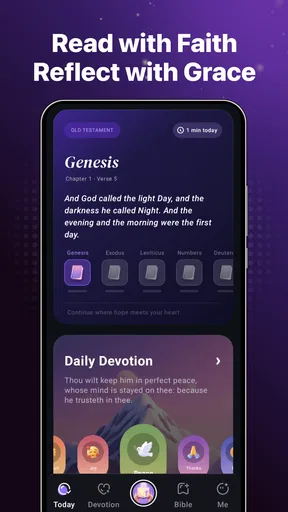
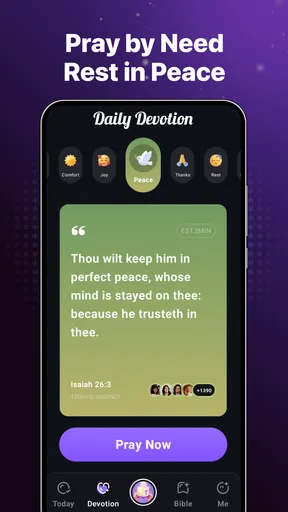
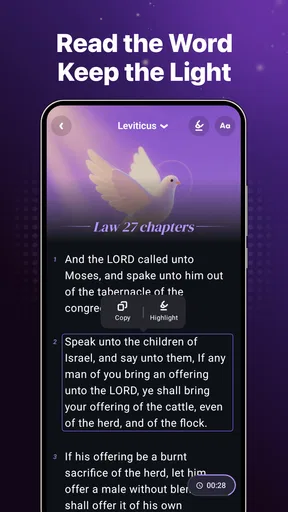
FaithPath is a free faith-focused reading app from SAILIBERTY TECH, built around a simple idea: give people a place to read, pause, and think about their spiritual life without turning the experience into a noisy social feed. I spent time with it as a Books & Reference app, and my overall impression is that its value depends less on how many tools it offers and more on whether you want a calm, repeatable reading habit.
The app presents itself under the short label FaithPath, while its store summary describes the experience as “Read, Reflect, Grow in Faith.” That combination tells you a lot about its intended audience. This is not the kind of app I would choose for broad academic research, a large digital library, or rapid reference work. I would choose it when I want a focused moment of reading and reflection that fits into an ordinary day.
My honest view is that FaithPath works best as a companion to an existing routine, not as a complete replacement for every book, study resource, or community a reader may already use. It has a clear spiritual purpose, a free entry point, and an Everyone content rating, but readers who expect extensive customization or deep research functions should approach it with more modest expectations.
How FaithPath feels in its current form
The current release is version 1.1.4, and that matters because it places the app beyond a purely experimental first launch while still making it feel like a relatively young product. The listed release date is April 13, 2026, so I would view the present version as an early stage in the app’s development rather than a finished answer to every possible reading need.
That early-stage character is not automatically a problem. In fact, it can be an advantage for someone who prefers a focused app over an overloaded one. FaithPath’s identity is easy to understand: it belongs to the Books & Reference category, it is aimed at faith-centered reading, and it is available at no cost. I did not have to guess what kind of habit the app was trying to support.
The app is suitable for a wide age range because its content rating is Everyone. I would still encourage parents and families to judge any religious reading material according to their own preferences, but the rating makes FaithPath approachable for shared household use, personal reading, or a quiet moment with a child or teenager under normal family guidance.
Its Android requirement is also fairly accessible. FaithPath runs on Android 8.0 and later, which means people using older but still serviceable phones are not automatically excluded. That is useful for a reading app, because the experience does not need to be tied to the newest hardware to be meaningful.
Worth Reading Before You Choose

Flipboard Shows What News Apps Must Do Beyond the Feed

Switching to Android Auto Means Rethinking Your Driving Routine

Google Calendar Makes a Crowded Week Easier to Manage

Ludo King Makes the Most of the Minutes Between Plans

Baby Panda World Brings Quick Play to Modern Phones, but Its Game Library Feels Busy

ESPN’s Live Game View Makes Following Close Games Easier
A practical reading routine rather than a one-time download
I found the strongest way to use FaithPath was to assign it a specific place in the day. Opening it randomly can make any reflective app feel disposable, but connecting it to breakfast, a commute, an evening wind-down, or a short pause before bed gives it a purpose. The reading itself becomes easier to remember when it is attached to something that already happens.
For example, imagine someone who normally reaches for a phone while waiting for a kettle to boil in the morning. Instead of moving immediately into messages and headlines, that person can use the same small window for a passage and a few minutes of reflection. FaithPath is well suited to that scenario because its appeal is not speed or entertainment. It is the chance to make a small, deliberate break in an otherwise crowded day.
A second useful workflow is to keep the session deliberately short. I would not begin by promising myself a long study period. I would read with one question in mind, such as what idea feels relevant today or what deserves further thought. Then I would close the app before the moment turns into passive scrolling. This approach makes the tool more sustainable and avoids expecting it to provide an entire spiritual practice by itself.
That distinction is important. FaithPath can support reflection, but an app cannot decide what a passage means for your life, replace conversation with a trusted person, or provide every interpretive perspective. I see it as a doorway into attention, not as the whole room.
What the current version suggests about product evolution
Version 1.1.4 suggests that SAILIBERTY TECH has moved beyond the earliest release and is maintaining the product rather than leaving it as a static listing. I would treat that as encouraging, but I would not read more into it than the version information supports. A version number alone does not prove that the app has gained a particular feature, improved performance in a specific way, or changed its editorial approach.
For existing users, the practical takeaway is simple: the app is still in a phase where small refinements may shape the experience significantly. Someone who already likes its reading style may appreciate staying with it as it develops. Someone who needs a mature, feature-rich reference system today may prefer an established alternative whose workflow is already familiar.
I also think the current version creates a useful expectation for new users. Downloading FaithPath is not a commitment to a large paid ecosystem, since the app is free. It is more like trying a focused tool and deciding whether its rhythm fits your beliefs, reading preferences, and daily schedule. That low barrier makes experimentation reasonable, especially for people who are unsure whether a digital devotional habit will last.
How it compares with familiar alternatives
Compared with a general e-book reader, FaithPath has a narrower purpose. A standard reader is usually better when I want to manage novels, textbooks, long-form nonfiction, or a personal collection across many subjects. FaithPath makes more sense when the goal is faith-oriented reading and reflection rather than building a broad library.
Compared with a web browser, the app can offer a more intentional starting point. Browsers are powerful for searching sermons, commentaries, translations, and discussions, but that flexibility can also pull attention in several directions. FaithPath is the better choice when I want to avoid opening a dozen tabs and simply spend a quiet moment with the material in front of me.
Compared with a notes app, FaithPath should be judged by the reading experience rather than by the quality of personal organization. A notes app may be superior for creating detailed study outlines, tagging themes, linking references, or building a long-term journal. I would use FaithPath first, then move to notes only if I had a specific thought worth preserving. That two-step workflow keeps reflection and administration separate.
Compared with a community or discussion platform, FaithPath is likely to appeal more to private readers. People who need live conversation, group accountability, expert commentary, or a visible network may find a social or study-focused service more suitable. I would not choose FaithPath as my only resource if shared interpretation is central to the way I practice faith.
Who is most likely to benefit
I would recommend trying FaithPath if you want a straightforward spiritual reading habit, prefer using your phone for short reflective sessions, and do not want to begin with a paid subscription. It is also a sensible option for someone exploring faith-centered apps for the first time and looking for a gentle, low-risk starting point.
It may suit busy adults who need a small pause rather than an ambitious program. It can also work for students, families, or older Android users whose devices meet the Android 8.0 requirement. The Everyone rating makes it easier to consider for shared use, although the right material and reading approach will still vary from person to person.
I would be more cautious about recommending it to a researcher, theology student, or serious digital archivist who needs extensive cross-referencing. Those users may want searchable source collections, multiple editions, robust annotation, or a more developed study environment. A general reference platform or dedicated study tool would probably serve them better.
Small habits that make the app more useful
One non-obvious advantage of a focused app is that it can reduce the number of decisions involved in beginning. I suggest deciding in advance when to open FaithPath and what “finished” means for that session. Without that boundary, a reflective tool can become another item in a long list of things to manage.
I also recommend separating reading from evaluation. During the first session, do not immediately decide whether the app is profound, comprehensive, or perfect. Notice whether it helps you return to a meaningful idea. A useful test is whether you remember the central thought later in the day, not whether the interface kept you occupied for a long time.
Another practical tip is to pair the app with an offline action. After reading, take a walk, write one sentence in a paper notebook, or speak with someone you trust. This prevents the experience from remaining trapped inside the phone. FaithPath can start the reflection, while the follow-through happens in ordinary life.
Finally, use the app selectively. If you are tired, distracted, or looking for a detailed answer to a difficult question, forcing a session may create frustration. On those days, a physical book, a conversation, or a more comprehensive reference source may be the better tool. FaithPath is strongest when the user wants a clear pause, not when the user needs every possible resource at once.
Limitations I would keep in mind
The same focus that makes FaithPath approachable may feel restrictive to experienced readers. A person who wants a large content ecosystem, sophisticated study controls, or a highly personalized reading dashboard may outgrow the app quickly. I would not install it expecting the breadth of a full digital library or the depth of a scholarly platform.
There is also a risk of confusing availability with usefulness. Because the app is free, it is easy to download and forget. Its real benefit appears only when it becomes part of a repeatable routine. If you rarely open reading apps, FaithPath will not solve that problem simply by being present on your phone.
The app’s relatively young release history also means I would keep an eye on how SAILIBERTY TECH develops it. Future improvements could make a meaningful difference if they preserve the calm, focused purpose instead of adding complexity for its own sake. I would especially value changes that improve the reading flow, clarify organization, and help users return to meaningful material without turning the experience into a crowded dashboard.
At the same time, I would not assume that future updates will automatically address every personal preference. Readers should choose FaithPath for what it offers now: a free, faith-oriented reading option with an accessible Android requirement and a clear reflective purpose. Expectations should remain grounded in the current product rather than in imagined additions.
What the early audience response tells me
FaithPath has passed the ten-thousand-install mark and holds a 4.8 average from around two hundred ratings, with more than seventy written reviews. Those figures indicate a positive early reception, but I would interpret them as a signal of interest and satisfaction among its current audience, not as proof that it will suit every reader.
For someone deciding whether to try it, the combination of a free price and positive early response makes the decision relatively easy. There is little financial risk in testing the app against your own routine. The more important question is whether the reading experience matches the kind of faith practice you want to build.
I would also read user feedback with a specific purpose. Look for comments about consistency, readability, and whether the app encourages people to return. Those details are more useful to a potential reader than broad praise. Since reflective apps are personal by nature, your own response after several sessions matters more than any single rating.
Questions to consider before choosing it
If you are wondering whether FaithPath is suitable for a child or family member, its Everyone content rating makes it a reasonable candidate for consideration, but I would still preview the material and decide how it fits your household’s beliefs. A rating can describe general suitability; it cannot replace a parent’s judgment about religious perspective.
If you are asking whether it can replace a Bible, devotional book, study guide, or commentary, my answer is no—not universally. It may become your convenient daily entry point, but readers who depend on a particular edition, detailed notes, historical context, or multiple interpretations will probably need another resource alongside it.
If you are concerned about device compatibility, the Android 8.0 minimum makes FaithPath accessible on a range of older phones. I would still check your device’s available storage and general condition before installing any app, but you do not need a recent Android release simply to meet the stated operating-system requirement.
If you are deciding whether the free price hides a commitment, the app is presented as free, so it is appropriate to approach it as a trial rather than a major purchase. Give it several intentional sessions instead of judging it after one distracted opening. If it does not fit your routine, moving back to a physical book or another reading tool is perfectly reasonable.
If you are asking what to watch as the product matures, I would pay attention to whether future versions deepen the reading habit without losing simplicity. The best evolution for FaithPath would be thoughtful refinement: clearer movement through content, dependable access to previously useful material, and a design that keeps reflection ahead of notifications or unnecessary complexity.
My recommendation after using it
FaithPath is worth trying for readers who want a free and focused way to make faith-centered reading part of an ordinary day. I like its clear purpose, its accessible Android support, and the fact that it does not require a financial leap before you can decide whether the habit suits you. The app feels most valuable when used in small, deliberate sessions rather than treated as an all-purpose religious library.
I would recommend it to a friend who wants a quiet starting point, especially someone who is tired of searching through distracting online content every time they want to reflect. I would not recommend relying on it alone for serious study, complex questions, or community-based practice. In those situations, a physical collection, a specialist reference tool, or direct conversation can add what a focused app cannot.
The current version, 1.1.4, gives FaithPath a credible base while leaving room for its direction to become clearer over time. SAILIBERTY TECH appears to have established a recognizable product rather than an undefined reading utility, and the early audience response is encouraging. My final judgment is positive but measured: install it if you want a simple companion for reading and reflection, then keep it only if it helps you carry that reflection beyond the screen.
Pros
- Clear Bible-based guidance for building a consistent faith routine.
- Short sessions make spiritual reflection easy to fit into busy days.
- Simple navigation helps users find devotionals and lessons quickly.
- Encourages personal reflection instead of passive reading alone.
- Suitable for both beginners and users returning to regular Bible study.
Cons
- Some content may feel too general for users seeking deeper theology.
- Daily reminders can become repetitive or easy to dismiss over time.
- The experience may depend heavily on an active internet connection.
- Limited customization may not suit every preferred study style.
- Users wanting community features may find interaction options insufficient.
FAQs for FaithPath
What is FaithPath and what can I use it for?
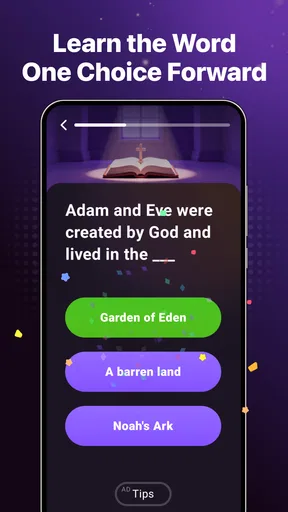
FaithPath is a faith-focused app designed to support users in developing a more consistent spiritual routine. Depending on the available features in your version, it may provide devotional content, guided reflections, prayer resources, Bible-related material, reminders, or progress tools. It is best viewed as a personal aid for study and reflection rather than a replacement for a local faith community, clergy, or professional guidance.
Is FaithPath free to download and use?
FaithPath may be available as a free download, but some content or tools could require in-app purchases, a subscription, or an account. Before committing, check the app-store listing for the current pricing structure, trial terms, renewal conditions, and included features. If a free trial is offered, remember to cancel it through your Google Play or Apple account settings before it ends if you do not want automatic billing.
Does FaithPath require an internet connection?
An internet connection is generally needed to download the app, create or synchronize an account, receive updates, and access online content. Certain features may continue to work offline if the app allows resources to be saved in advance, but offline availability can vary by device and subscription level. If you plan to use FaithPath while traveling, test the desired materials before leaving Wi-Fi or mobile coverage.
Is FaithPath suitable for beginners or people from different Christian backgrounds?
FaithPath can be useful for beginners because structured reflections, reminders, and guided resources may make it easier to establish a regular practice. However, the tone, translations, teachings, and devotional approach may reflect particular theological or denominational perspectives. New users should review the app description and sample content to confirm that its beliefs and language are compatible with their own tradition and expectations.
What privacy and account information does FaithPath collect?
Before using FaithPath, review its current privacy policy and the permissions requested during setup. A faith app may process information such as an email address, profile details, saved notes, reading activity, preferences, or notification settings, depending on its features. Avoid entering highly sensitive personal information unless necessary, use a strong unique password, and check whether account deletion and data-export options are available.


